
AI Receptionist for Dermatology: Two Businesses, One Desk
Dermatology runs two businesses on one phone line, insurance-billed medical and cash-pay cosmetic. Here is what an AI receptionist should handle, and what it must never touch.
Table of Contents8 sections
- What a dermatology front desk is actually juggling
- Two businesses under one roof: medical dermatology and cosmetic dermatology
- Who actually no-shows, and why blasting reminders is not the fix
- Where an AI receptionist fits a dermatology practice, and where it must not
- Measure your own no-show and booking-accuracy gap before you buy
- What it costs, and what to ask a vendor
- Match the fix to your own numbers
- Fair questions
A dermatology practice is really 2 businesses answering one phone line. One caller wants a mole checked and is billing insurance. The next wants Botox and is paying cash on the spot. Book either one into the wrong kind of slot and you have a billing problem and a scheduling problem at the same time, not just an annoyed patient.
Search "AI receptionist for dermatology practice" and the page-one vendors all pitch the same thing: 24/7 answering, never miss a lead, book more appointments. A couple mention triaging medical versus cosmetic calls as a feature, but none explain why that triage matters as much as it does in this specialty, or price what getting it wrong actually costs.
This post grounds the pitch in dermatology's real numbers: a 30% average no-show rate, a 14% claim denial rate, and a 36.5-day average wait for a new patient. It draws the clinical line for skin specifically, flags a photo-intake boundary competitors skip, and gives you a 30-minute way to measure your own gap first.
None of this is unique to a single region or style of practice. Solo dermatologists, multi-provider groups, and med-spa-adjacent practices all run some version of this same two-track schedule, and all of them lose money the same way when the front desk cannot tell one call from the other.
What a dermatology front desk is actually juggling
Dermatology averages a 30% no-show rate, among the highest of any specialty, alongside a 14% claim denial rate, nearly 3 times the 5% industry average. The national average wait for a new-patient appointment reached 36.5 days in 2025, and about 4 in 10 patients wait 1 to 6 months to be seen.
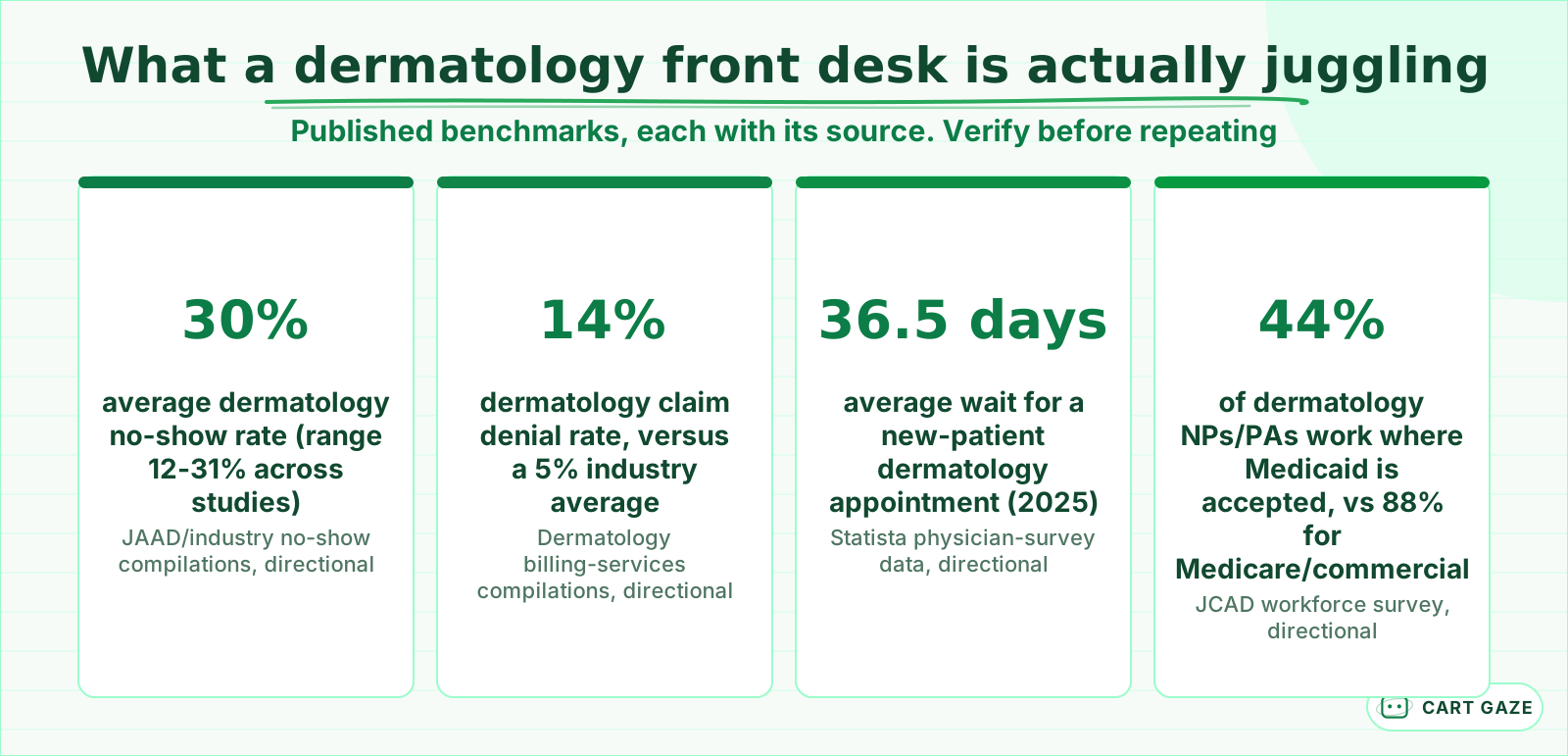 Published ranges, each sourced. Reasons to measure your own practice, not to repeat as fact.
Insurance access varies sharply too: 88% of dermatology nurse practitioners and physician assistants accept Medicare and commercial insurance, but only 44% work at a practice that accepts Medicaid. That gap alone changes who is calling your office and what they need from the call.
Nationally, missed appointments cost the US healthcare system an estimated $150 billion a year, with each no-show averaging $200 or more in lost revenue. Dermatology's rate sits well above that baseline, which means the dollar impact compounds faster here than in most other specialties.
Two businesses under one roof: medical dermatology and cosmetic dermatology
Most financially healthy dermatology practices run 2 businesses under one roof: insurance-billed medical dermatology and cash-pay cosmetic work. The typical successful mix is 60% to 80% medical and 20% to 40% cosmetic, and each side has different billing, different waits, and a different booking risk if the front desk gets it wrong.
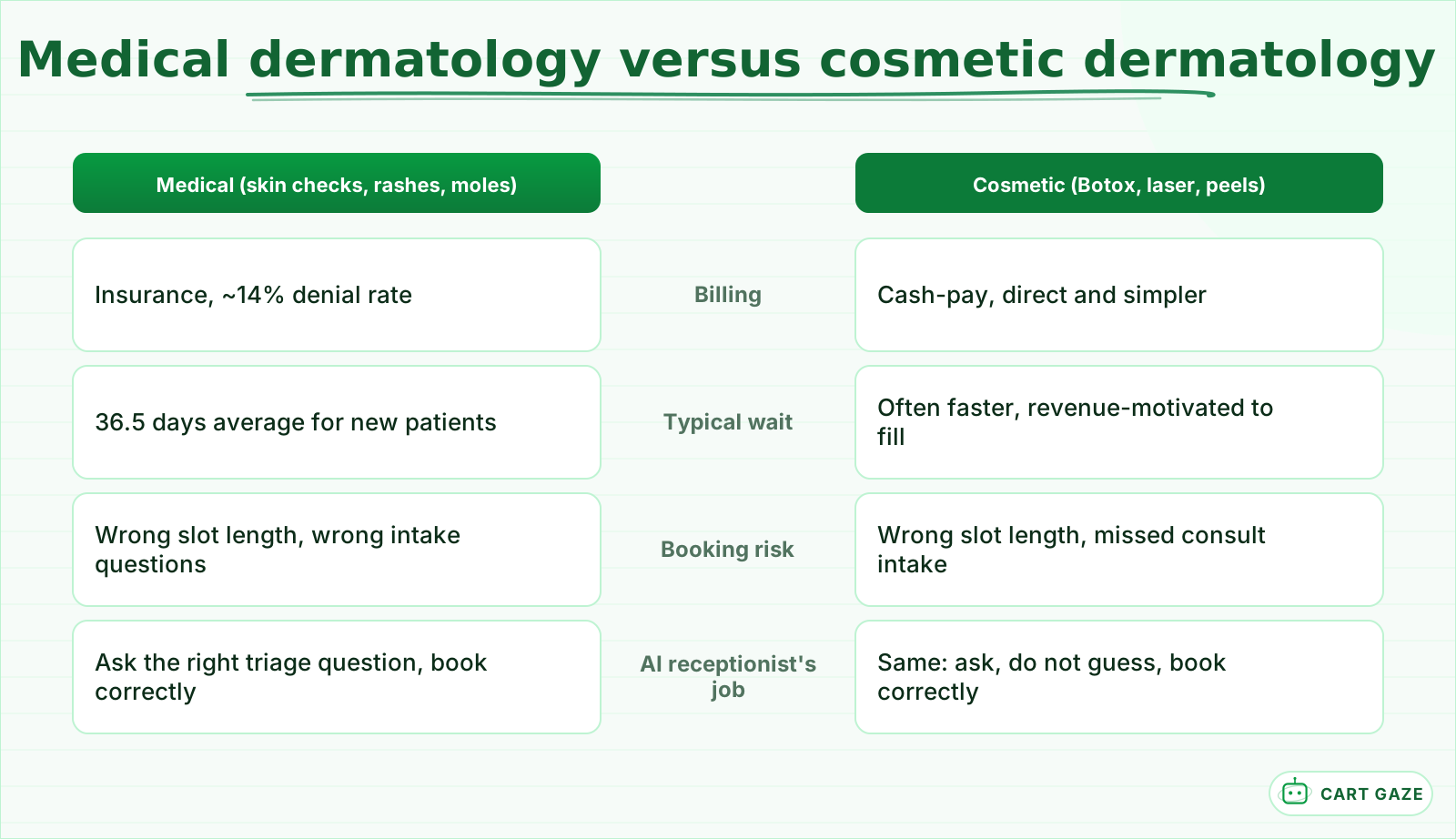 Booking a caller into the wrong slot type is a billing problem, not just a scheduling one.
| Coverage option | Medical vs. cosmetic triage | Rough monthly cost |
|---|---|---|
| Generalist human answering service | Inconsistent, not trained on your service mix | Per-minute, variable |
| Non-configured AI receptionist | Books whatever it is told, no real triage | Flat, low |
| Dermatology-configured AI receptionist | Asks the right question, books the correct slot | Flat, similar to other verticals |
Cash-pay cosmetic work carries better margins and simpler billing since payment happens directly, while medical dermatology carries the insurance complexity and the 14% denial risk. Neither side is optional revenue, which is exactly why a booking mistake between them is costly in both directions, a mole check that eats a 30-minute cosmetic slot, or a consult crammed into a 10-minute medical slot.
Picture a Monday morning where 3 medical mole checks get booked into 30-minute cosmetic slots by mistake. That is 60 minutes of chair time gone, on top of whatever those 3 patients actually needed, and it happened because nobody asked one clarifying question at booking.
A denied medical claim does not just delay payment, it usually means rework: a coding correction, a resubmission, sometimes an appeal. At a 14% denial rate, that is a meaningful share of medical visits generating extra administrative work before the practice gets paid at all.
Who actually no-shows, and why blasting reminders is not the fix
No-shows are not evenly distributed across a dermatology patient panel. One 2026 study found adults 19 to 25 were 2.3 times more likely to miss an appointment than older patients, and access barriers, not carelessness, predicted who no-showed most. That reframes the fix: flexible rebooking, not just more reminders.
If your reminder cadence has not moved your no-show rate in months, the missing piece may not be another text. It may be how hard your current system makes it to reschedule the moment a patient realizes they cannot make it.
This pattern echoes what shows up across primary care and behavioral health too: reminders alone rarely close a no-show gap rooted in real scheduling friction. A patient juggling inflexible work hours or transportation is not forgetting the appointment so much as unable to keep the one slot they were originally offered.
Where an AI receptionist fits a dermatology practice, and where it must not
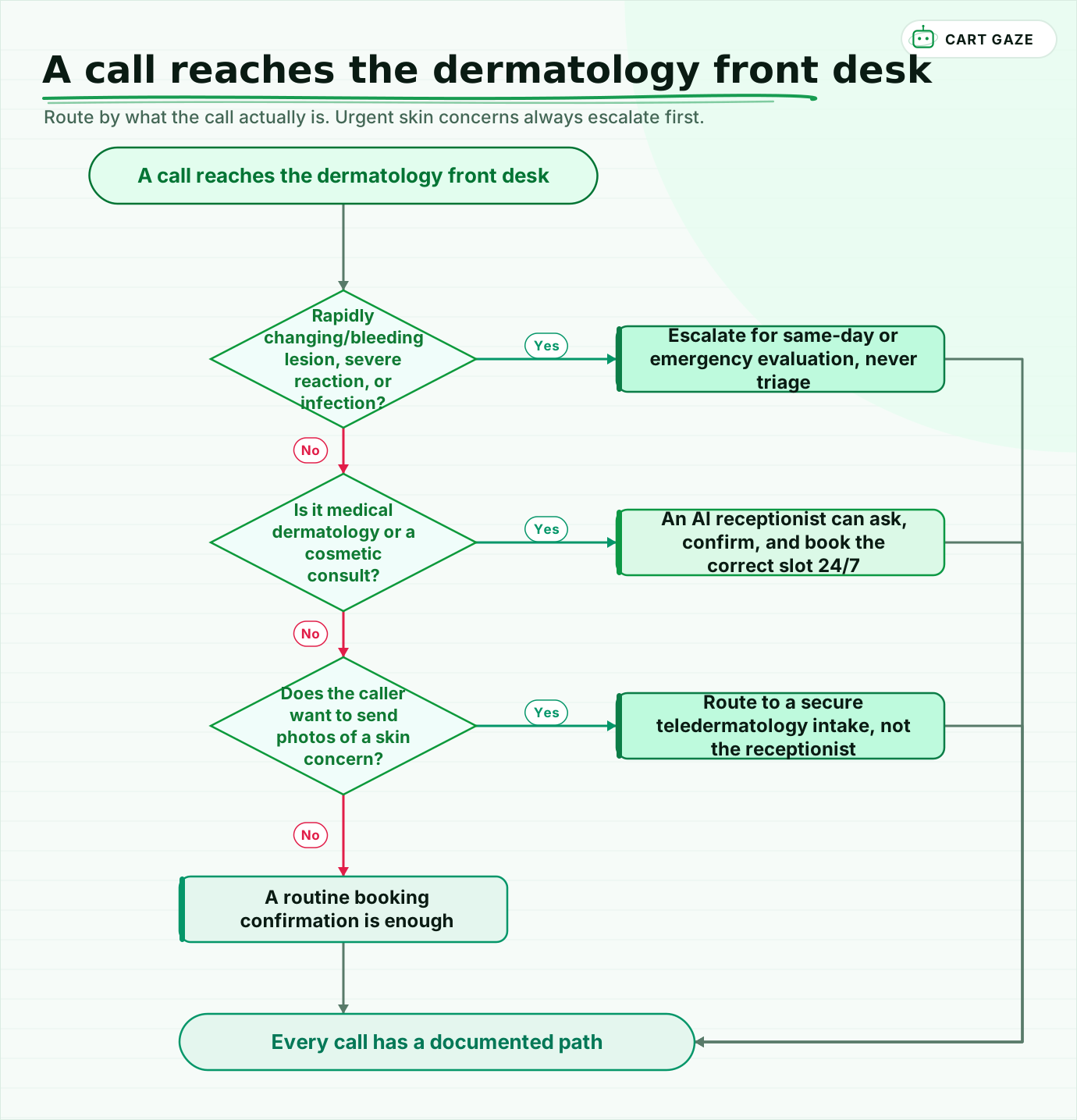
An AI receptionist fits the routine side of a dermatology practice: 24/7 booking that correctly separates medical from cosmetic slots, insurance versus cash-pay intake questions, and reminders. It must never triage a rapidly changing or bleeding lesion, a severe drug reaction, or signs of infection. Those need same-day evaluation, not a booking conversation.
There is a second boundary competitor pages rarely mention: an AI receptionist should never collect or process a photo of a patient's skin concern. Reviewing a clinical photo is a teledermatology function that belongs in a secure, purpose-built intake system, not a phone answering service, however convenient it seems to just accept the picture a caller offers to send.
The temptation to blur this line is real, since a photo often feels like it would help everyone move faster. It would not. A photo handled outside a proper system creates a record nobody reviewed clinically and a data-handling question nobody signed off on, and both problems land on the practice, not the vendor, when something goes wrong.
The same discipline applies to insurance questions. An AI receptionist can ask which type of visit a caller wants and note whether they mentioned insurance or self-pay, then hand that structured information to staff or your practice-management software. It should not attempt to verify specific benefit eligibility on the call itself.
If you have never evaluated one of these systems before, start with what an AI receptionist does and where it stops for the general boundary this one builds on.
Measure your own no-show and booking-accuracy gap before you buy
Before evaluating any vendor, spend 30 minutes on your own numbers. Pull last month's no-show list and compare your rate to the 30% industry average, audit 20 recent bookings for slot-type accuracy, and check your new-patient wait against the 36.5-day national average before you decide what to fix.
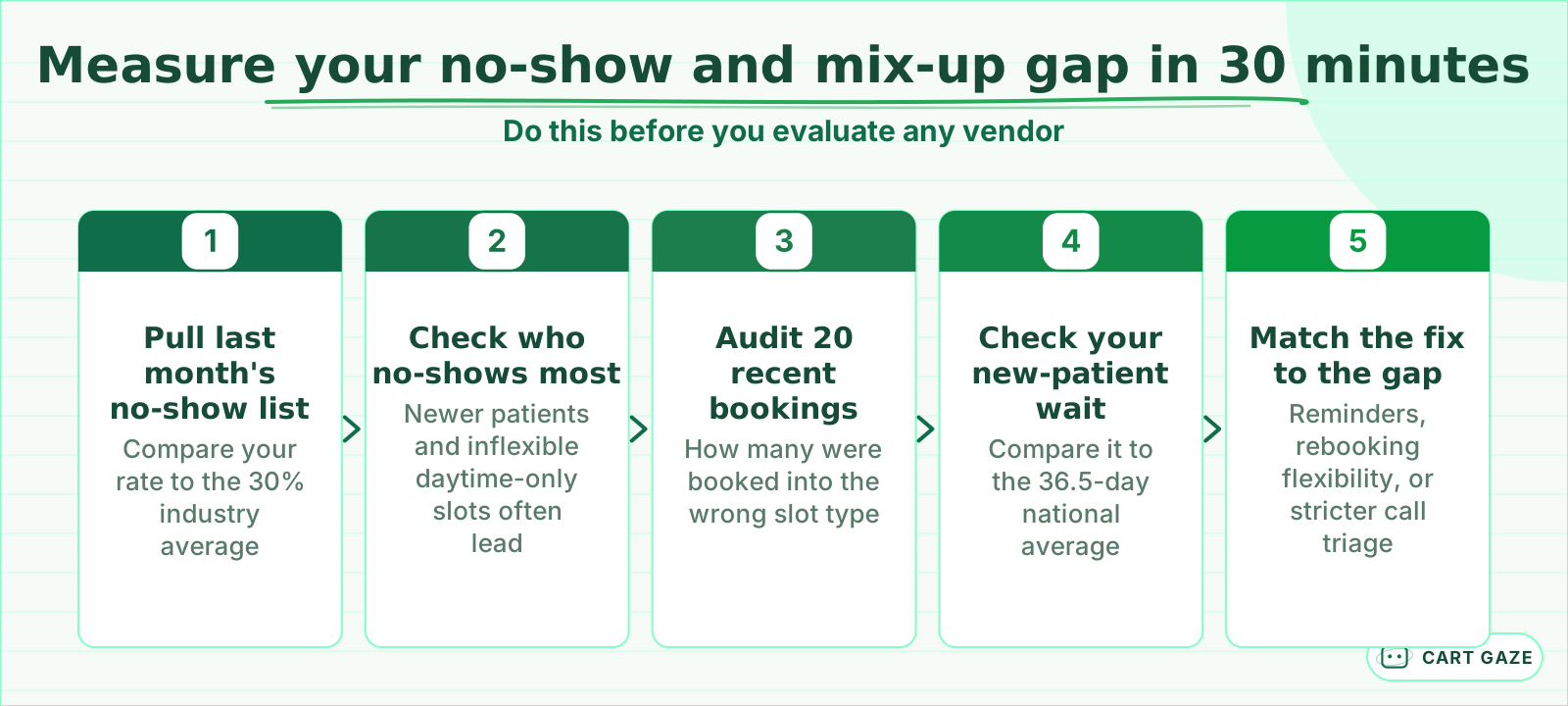 Thirty minutes in your own schedule tells you whether the fix is reminders, rebooking, or call triage.
A practice booking accurately but no-showing often has a reminder or access problem. A practice with a clean no-show rate but frequent slot mix-ups has a call-triage problem. Very few practices have neither, and almost none have both solved by the same fix, which is why measuring first matters more than shopping first.
Do this even if your booking software already flags appointment types. Software catches what gets entered correctly, not what got asked incorrectly at the point of the call, and a mis-triaged booking often looks perfectly valid on the calendar until the patient actually arrives.
What it costs, and what to ask a vendor
Dermatology-configured AI receptionists price in roughly the same band as other medical verticals, not a specialty premium. What differs is the question you should ask before buying: exactly how does the system tell a mole check from a Botox consult, and does it book the correct slot length every time?
For the full pricing breakdown, see what an AI receptionist costs. Confirm integration with whatever you already run, whether that is ModMed, Nextech, DrChrono, or another platform, before signing anything. A receptionist that cannot see your real slot types and durations will happily book a mismatch every time, which defeats the entire point of automating this.
If you are weighing automation against simply adding front-desk staff to manage both business lines, the staffing math is worth running honestly before you decide either way, since a poorly configured system that mixes up bookings can cost more in corrections than it saves in coverage.
Match the fix to your own numbers
The right fix depends on your own no-show rate and booking-accuracy numbers, not a vendor's demo. A practice mixing up medical and cosmetic slots needs better call triage first. A practice with accurate booking but high no-shows among newer patients needs more flexible rebooking, not louder reminders.
 Route by what the call actually is. Urgent skin concerns always escalate first.
Walk the flow once: anything urgent for the skin escalates immediately, every time. A medical or cosmetic booking question goes to an AI receptionist that asks the right question and books the correct slot. A caller wanting to send a photo gets routed to a real intake channel. Everything else is a routine confirmation.
Pilot on new-patient calls first, read the first month of transcripts, and re-measure both your no-show rate and slot-type accuracy after 30 to 60 days. None of this requires replacing your existing booking software. The practices that get the most value are usually the ones that already had a working system, just without a receptionist fast enough or precise enough to keep both business lines running cleanly at the same time.
If you would rather have the gap sized for you first, the free Growth Leak Audit works from your own numbers before anyone talks tools.
Fair questions.
What is a typical no-show rate for a dermatology practice?
Dermatology averages around a 30% no-show rate, among the highest of any medical specialty, though individual studies report a range of 12% to 31%. No-shows are not evenly distributed: research has found younger adults and patients facing the greatest access barriers are significantly more likely to miss an appointment than others, which points toward flexible rebooking as much as reminders.
Can an AI receptionist tell the difference between a medical and cosmetic dermatology call?
A dermatology-configured one can ask the right triage question and book the correct slot type and length, which matters because most healthy practices run both an insurance-billed medical side and a cash-pay cosmetic side with very different economics. A generic, non-configured AI receptionist may not make this distinction reliably, so confirm it directly before buying.
Should an AI receptionist accept photos of a skin concern over the phone?
No. Reviewing a clinical photo is a teledermatology function that belongs in a secure, purpose-built intake system, not a phone-answering service. An AI receptionist should recognize when a caller wants to send a photo and route them to the proper intake channel rather than accepting or processing the image itself.
What should an AI receptionist never do in a dermatology practice?
It should never try to assess a rapidly changing or bleeding lesion, a severe drug reaction, or signs of infection; those need same-day or emergency evaluation, not a booking conversation. It should also never collect clinical photos or verify specific insurance benefit eligibility on the call itself; both belong to a person or a dedicated system.
Why does dermatology have such a high insurance claim denial rate?
Dermatology denial rates run around 14%, nearly 3 times the 5% industry average, largely because the specialty mixes medical and cosmetic billing codes and requires precise documentation for medical necessity. A booking or intake mistake at the front desk, like mismatched visit type, can contribute directly to a denial down the line.
Sources.
- [1]Patient no-show statistics (dermatology no-show rate, financial impact)
- [2]Predictors of patient no-shows in adult outpatient dermatology (JAAD)
- [3]Patients facing greatest barriers to care most likely to be no-shows
- [4]Dermatology practice management consultants (medical/cosmetic mix)
- [5]Cosmetic vs medical dermatology billing differences
- [6]Dermatology medical billing complete guide (denial rates)
- [7]Dermatology NP & PA workforce survey (Medicaid/Medicare acceptance)
- [8]Wait times for a dermatology appointment, U.S. (Statista)
- [9]Appointment wait times increase across specialties (AAFP)
- [10]AI receptionist for dermatology practice guide (Simbie)
Written by

Muhammad Qasim Hammad
Founder, Cart Gaze
Qasim builds AI receptionists and front-office automation for medical and dental practices at Cart Gaze. Posts here start from published sources and real call data, not vendor claims, and every number links back to where it came from.
Keep reading.
 By Practice TypeAI Receptionist for Med Spas: Book Consults, Not Voicemails10 min read
 By Practice TypeAI Receptionist for Physical Therapy: Protect the Plan of Care10 min read
 By Practice TypeAI Receptionist for Direct Primary Care: Protect the Promise10 min read
 By Practice TypeAI Receptionist for Home Health: The 48-Hour Referral Clock10 min read
 By Practice TypeAI Receptionist for Fertility Clinics: What It Must Never Do10 min read
 By Practice TypeAI Receptionist for Oral Surgery: Referrals In, Post-Op Calls Out10 min read