
Answer & greet
Picks up in your practice’s voice, no voicemail
First calls to a therapy practice are hard to make and easy to lose. We answer every intake call, capture what they need, and send your booking link. No clinical advice, and anything urgent goes to a human or 988.

Catch every intake call, send your booking link, and send anything clinical or urgent to your team, after hours included.
Every practice in this specialty loses the same four ways. None of them is a staffing problem you can hire your way out of, which is why they persist.
Reaching out for therapy takes weeks of nerve, and that resolve is fragile. A first-time caller who hits voicemail often does not call back. It is your highest-stakes call and the easiest to miss.
Most people call when they finally have a private moment: a lunch break, a late evening, the drive home. If the desk is mid-session the call rings out, and the motivated ones keep dialling.
Callers want to know whether you take their plan and whether you have openings. When that answer waits on a callback that never comes, the booking drifts.
A late cancellation is an hour of clinical time that is hard to re-fill in time. Reminders depend on a busy team sending them, and the waitlist patients who would happily take the slot never hear that it opened up.
What that looks like on a normal day — five frames from the practice front desk, before and after the phone gets help.
A very short list, for once.
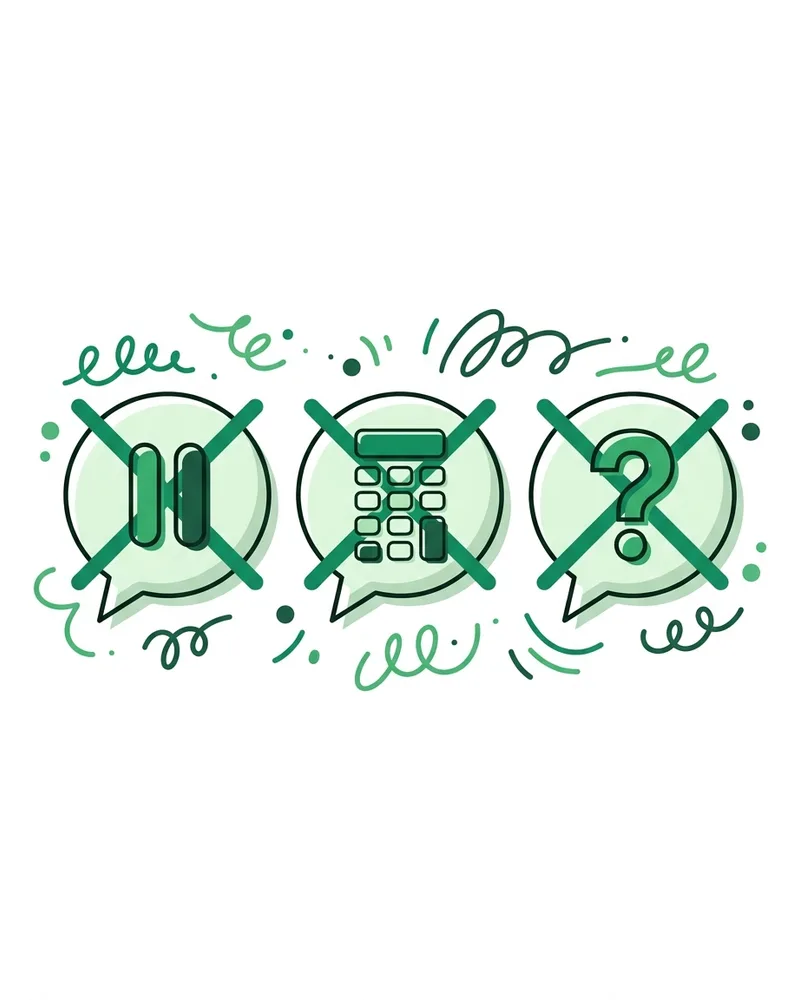
Please hold. Press one for this, press two for that. Can you repeat that?
A straight answer, first try, no menu tree required.
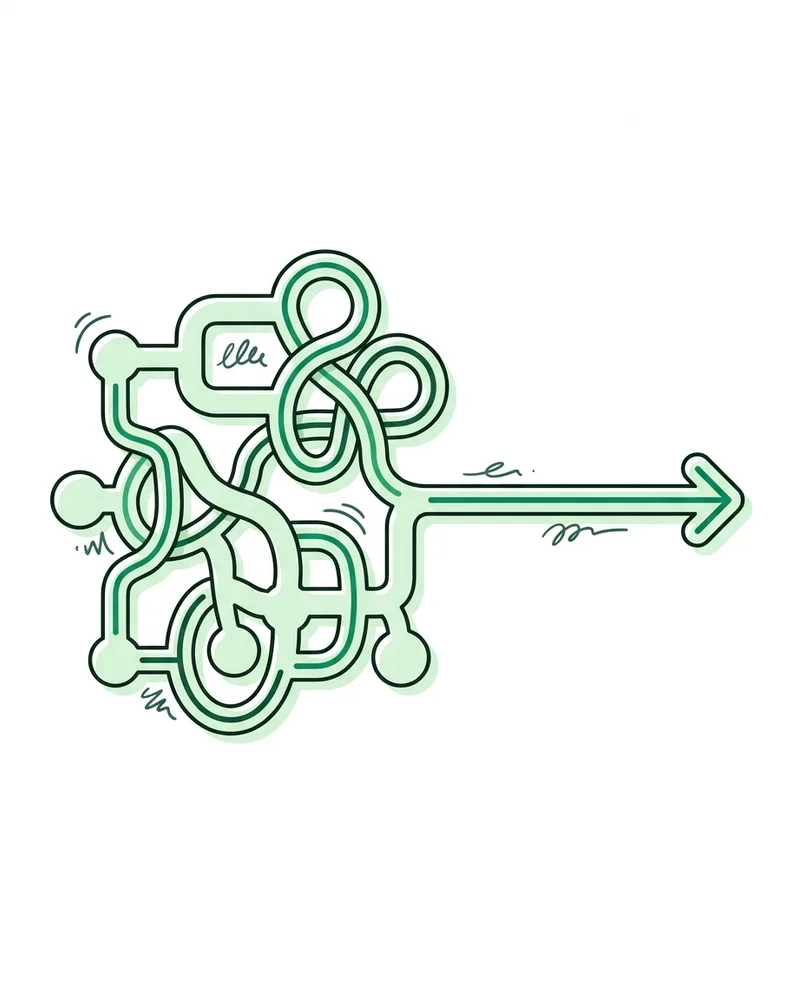
Cart Gaze is built the other way around: it does the listening, you get the answer.
No transfers, no repeats, no waiting for option four.


Done-for-you automation tuned to how your practice actually runs. It lives on tools you own, so you always have the keys.
Answers every call in your practice’s voice, after hours and between sessions. It captures the reason for the call in plain, minimal terms, works only from a script you approve, and never diagnoses or gives clinical advice.
When the office is closed it still answers, takes the request, and sends your booking link or schedules a callback, so the person who reached out at 10pm is not lost by morning.
If a caller’s words suggest urgency or risk, the system does not try to counsel them. It escalates immediately to your on-call staff, your crisis protocol, or 988, exactly the way you tell it to.
Answers ‘do you take my plan’ and ’are you accepting new patients’ from your approved script, captures the intake basics, and sends your booking link for the visit or the consult.
Confirms upcoming appointments to cut no-shows and makes rescheduling a text away instead of a round of phone tag.
When a slot opens from a cancellation, it offers the time to your waitlist so clinical hours do not sit empty.
If your practice misses __ intake calls a week, and a new patient is worth $__ across an episode of care, here’s what’s slipping away. Run it with your own numbers.

Treat these figures as a sketch of the math, not a promise. Drop in your own missed-intake count and what an episode of care is really worth. That is the number worth running.
Starts when inbound intake call rings out, or an after-hours request lands
Picks up in your practice’s voice, no voicemail
If anything signals crisis or risk, it routes to a human or 988 before anything else
Notes the reason in plain, minimal terms: new patient, follow-up, reschedule
Insurance and new-patient questions only; no diagnosis, no clinical or medication advice
Offers an intake slot, sends a booking link, or schedules a staff callback
Clinical questions and anything out of scope go to a person
Intake request sent or routed to your team, logged with a minimal data footprint. No clinical advice given


Most practices start with the receptionist. The rest are separate builds, quoted on their own.
An AI receptionist on your number that answers after-hours and overflow calls, handles the routine questions from a script you approve, and sends the patient your booking link or hands the call to your team.
Two-way text and voice scheduling that books from your live calendar, then sends the reminders that keep patients from forgetting the visit.
Pre-visit forms, e-sign, and insurance capture that flow into your system, so the front desk types less and the visit starts on time.
Brings back patients who are overdue for cleanings, annual exams, and follow-ups with recall campaigns that run on their own.
Most practice builds land in the $3K–$5K range. Your exact quote comes out of the free audit, after we scope the calls, tools and follow-up you actually need — no commitment before that.
Before you spend a dollar, find out which intake calls are slipping past your practice and what each one is worth.