
Answers in seconds
The line picks up on the first ring instead of rolling to voicemail. The caller gets a real voice and a real answer, not a beep.
After hours, during the rush, on the other line. The calls you don’t pick up don’t leave a message. They call the next business on the list. We put an AI receptionist on your number that answers in seconds, handles the routine questions, and books the caller or hands off to your team.
A demonstration line, not any practice’s patient line.
Catch the call, cover the hours you can’t, and qualify the caller so your team only touches what needs a person.
When no one can get to the phone, the AI picks up in seconds, captures who called and why, and texts them your booking link before they move on to the next name on the list.
Nights, lunch breaks, holidays. Callers get a real answer and a way to book instead of a voicemail beep that rarely gets a callback.
It asks what you would ask (new or returning, what they need, when) then books the appointment or hands the urgent ones straight to your team.
Hi, do you have any Botox appointments this week?
Happy to help! Are you a new or returning client?
New client
Perfect. I’ll text you our booking link now. What day works best for you?
Lead captured · booking link sent · 11:42 PM
Answering is the start. From the first ring to the booking on your calendar, the same system qualifies the caller and hands your team only what needs a person.
The line picks up on the first ring instead of rolling to voicemail. The caller gets a real voice and a real answer, not a beep.
It asks what your front desk would ask: new or returning, what they need, and how soon. That tells it whether to book, route, or flag the call.
It takes the visit type and the times that work for them, then hands that to your team as a request. It does not write to your calendar; your schedule stays the only place a booking is made.
If the caller would rather finish on their own time, it sends an instant text-back with your booking link so they can pick a slot from their phone.
Every call lands in a private CRM dashboard: who called, why, what was booked, and the full transcript. Nothing slips into a notebook and disappears.
New bookings, hot leads, and urgent callers ping your team in real time, so a person picks up the moment a call needs one.
When it is an emergency
The failure that matters here is not a missed booking. It is your team never being told. So the record of who was told is kept separately, and it is permanent.
9:40 PM
A caller describes something that sounds like an emergency. The receptionist does not triage it and does not take a message. It says: hang up and call 911 right now.
9:40 PM
The call goes to the top of your work queue. Emergencies, anything that needs a clinician, and any caller who asked for a real person all rank above routine callbacks.
9:41 PM
The alert is recorded before it goes out, so two systems running at once cannot both decide they are the one to tell you, and nobody gets paged twice for the same call.
9:47 PM
Someone on your team takes the call. The alert stays sent. Handling a call and having been told about it are two different facts, and we keep them apart on purpose.
The alert log cannot be edited, including by us. The software that sends alerts is allowed to add a record and read it back. It has no permission to change one or delete one. So months later, “was anyone actually told?” still has an answer, including when the answer is inconvenient.
Times shown are an example. The behaviour is not.
What your portal shows
Most vendors describe their data policy. This is ours as a list, because a list is checkable and a paragraph is not.
Shared with your clinic
Every field the receptionist captured about your own patients’ calls, read-only in your portal. Not a summary of it, the fields themselves.
Operator only · 5 fields
Our own running costs and internal build details. None of it is about your patients.
That is the whole list. A change that tried to share one of the five fails its own check and never applies.
Including where we did badly
They record the receptionist’s own failures on your calls, and they are shared by default. A dashboard that only reports its vendor’s wins is marketing, not evidence.
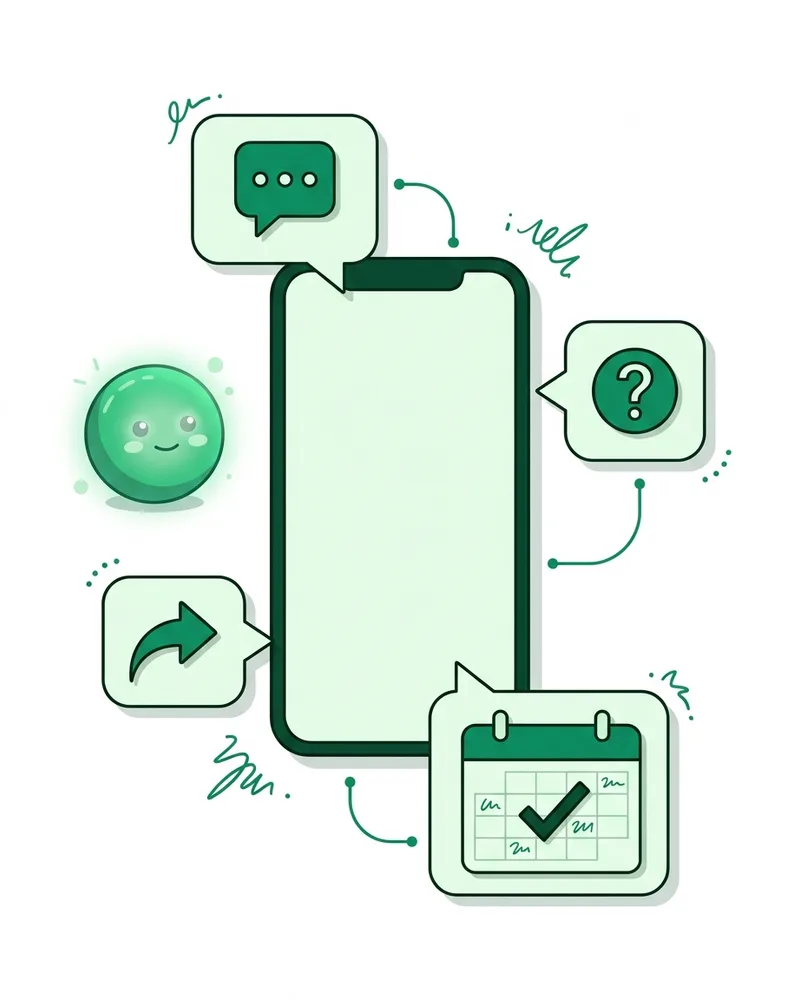
The whole job of an AI receptionist, on one card.
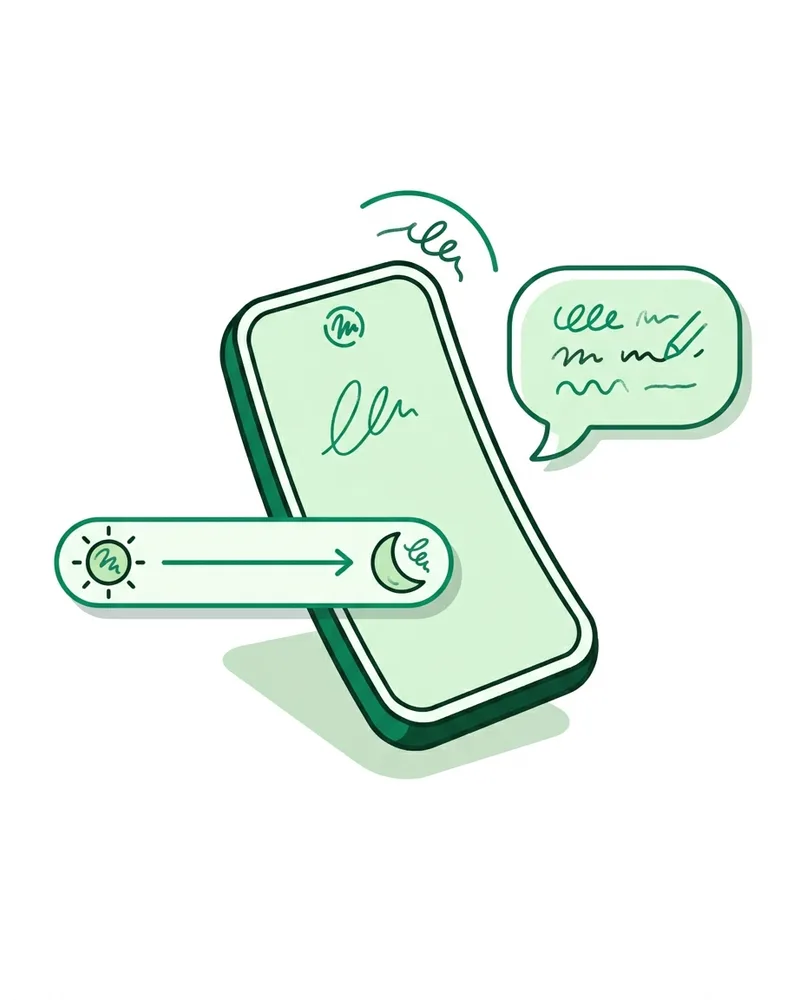
No hold music, no voicemail, no third ring. Every caller hears a warm greeting built from your script.
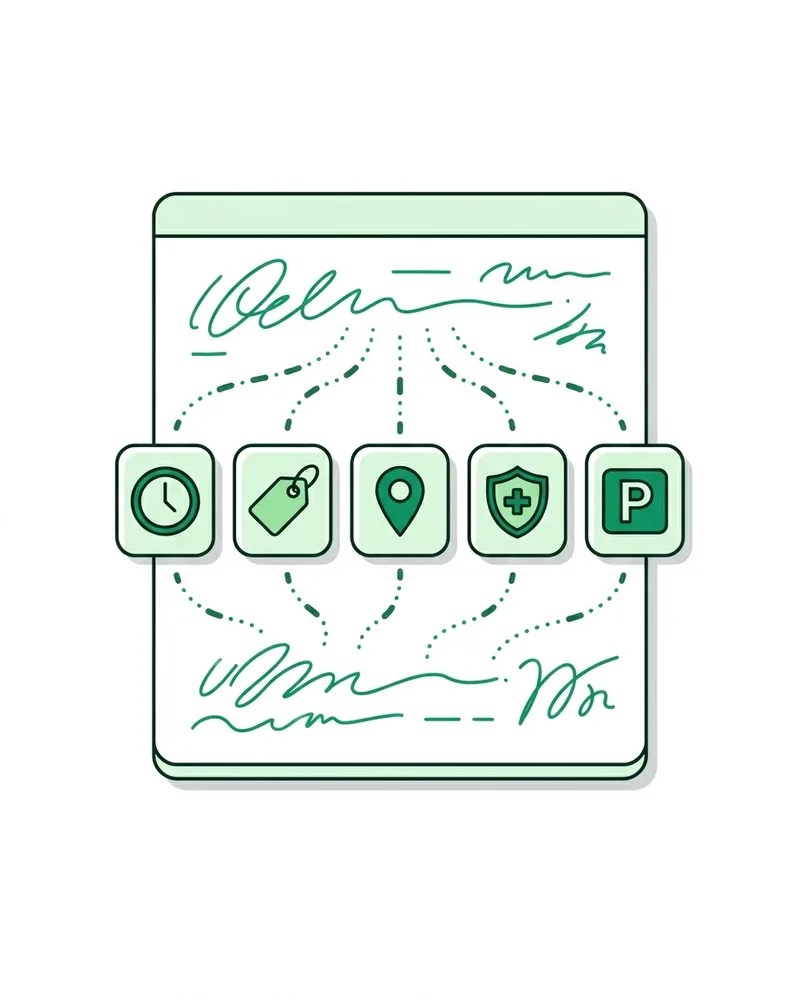
Hours, prices, directions, insurance, parking. It works from your info sheet, so the answers are yours, not guesses.
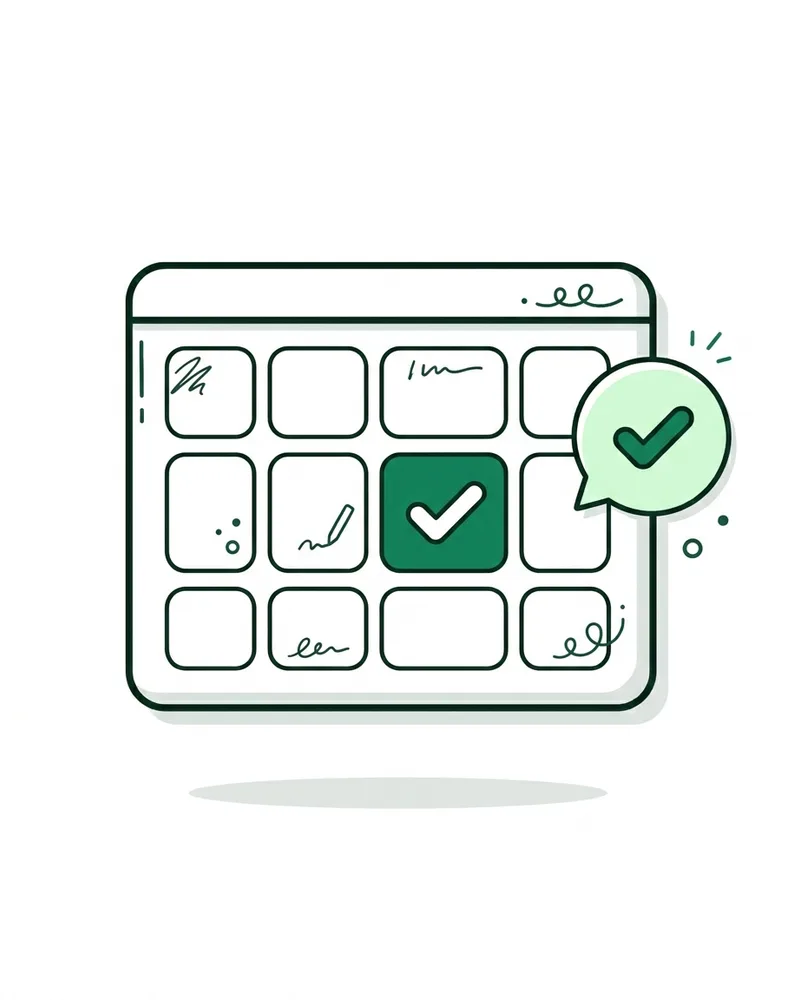
It reads your calendar, offers open slots, books the one that fits, and sends a confirmation text on the spot.
Urgent, upset, or unusual? The call goes to your team right away, with notes on who's calling and why.
You run your own numbers and see what after-hours and missed calls are costing you. No pitch unless the number is worth it.
Once you approve the script and call flow, your test agent is usually ready within about three business days. You hear it answer on a forwarded number while your main line stays untouched.
It goes live on your main line only once QA passes and you sign off. Setup is a one-time $3K–$5K by vertical, then month-to-month care from $599/mo.
Each one is tuned to the way that industry actually runs.
The Growth Leak Audit costs nothing. Setup is a one-time fee by vertical, care plans are month-to-month, and anything bigger is quoted once we have seen your systems.
It points to where calls slip and the first fix worth making.
Closes 5pm, closed weekends
Phone only
No online booking
No missed-call text-back
High
AI receptionist test agent
Tell us where to send your free missed-call audit. It’s a quick read on the calls you’re losing after hours and the first fix worth making.