
AI Receptionist for Optometry: Recall, Reorders, Insurance
Optometry runs a 25% average no-show rate and 2 parallel insurance systems that a caller cannot self-diagnose. Here is what an AI receptionist should handle, and what it must never touch.
Table of Contents8 sections
- What an optometry front desk is actually losing
- Why annual recall is the real growth engine, not just answering the phone
- The dual-insurance problem unique to eye care
- Where an AI receptionist fits an optometry practice, and where it must not
- Measure your own recall and no-show gap before you buy
- What it costs, and what it should connect to
- Match the fix to your own numbers
- Fair questions
A quarter of your booked exams may not show up. If your optometry practice runs anywhere near the industry-average 25% no-show rate, every fourth patient on tomorrow's schedule is an empty chair, not a filled one. That is not a phone problem. It is a recall and reminder problem, and most of what gets written about "AI receptionists for optometrists" never touches it.
Search that exact phrase and you get the same pitch 3 times over: 24/7 availability, multi-language support, never miss a call. It reads like generic AI-receptionist copy with the word optometry swapped in, and it skips the 2 things that actually run an eye care front desk: the recall list that drives most of your repeat revenue, and the dual insurance system that decides how a visit gets billed. Neither of those is a phone-answering problem on its own.
This post prices both gaps honestly, with sourced numbers instead of vendor adjectives, draws the line on what an AI receptionist should never touch, and gives you a 30-minute way to size your own recall and no-show gap before you evaluate anything.
What an optometry front desk is actually losing
Optometry runs a higher no-show rate than most medical specialties, averaging 25% versus 15% to 30% across healthcare generally, and one study of an academic eye clinic found 24.8%. At $175 in average lost revenue per no-show, a 15% rate alone can cost a single-location practice more than $50,000 a year.
Phone coverage compounds the problem. Practices without a formal call-handling process miss an estimated 20% to 35% of inbound calls, and about 80% of callers who reach voicemail hang up without leaving a message. They call the next practice on the list instead of waiting on a callback that may or may not come.
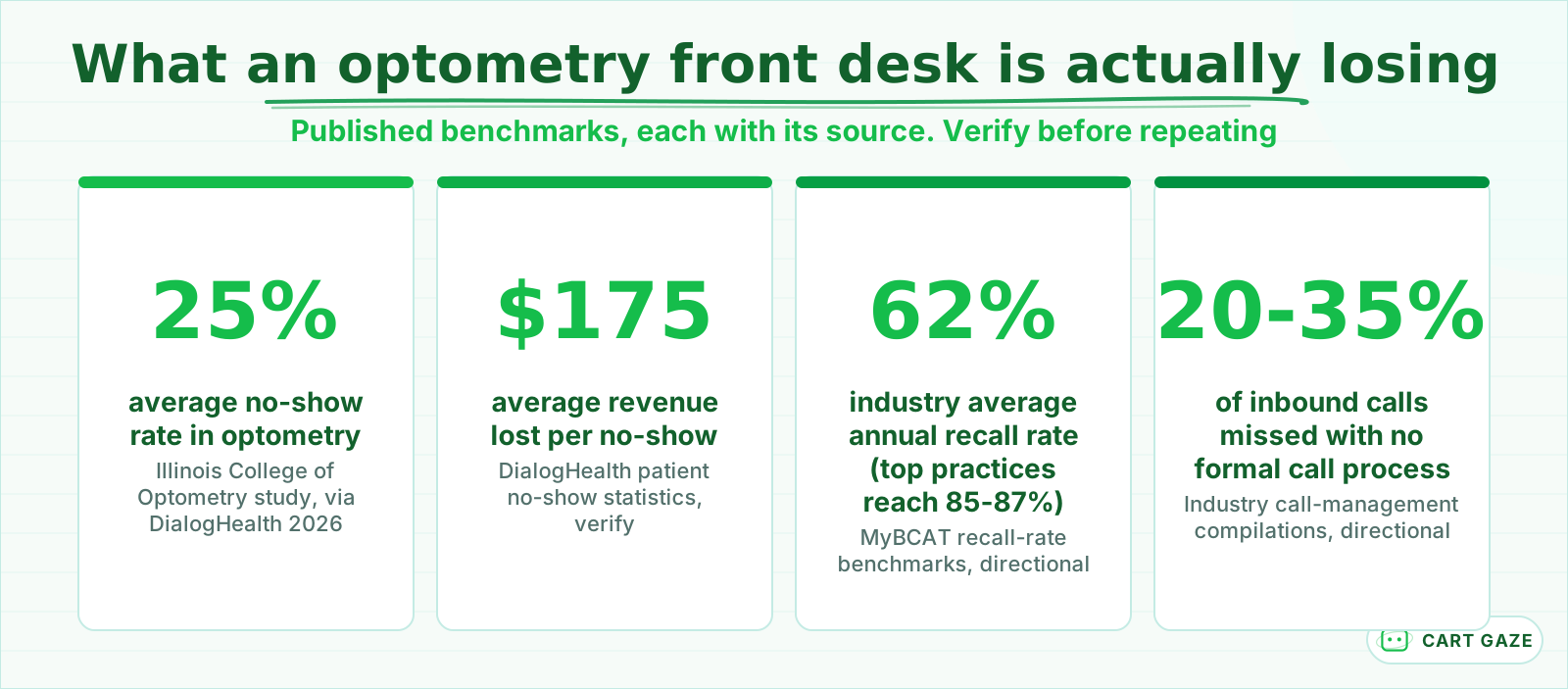 Published ranges, each sourced. Reasons to measure your own practice, not to repeat as fact.
A 5% to 6% no-show rate is considered low in optometry, which is a useful benchmark for judging your own number. If your rate sits closer to 25%, you are not managing an outlier, you are living the average, and the fix is systemic, not a scheduling fluke from one bad month.
Front-desk turnover makes the gap worse at the worst possible time. When one person leaves, a practice does not just lose a phone-answerer, it loses coverage across check-in, insurance verification, recall calling, payment collection, and scheduling all at once, because one person was quietly doing all 5 jobs. That is the real reason no-show and recall numbers slide during a staffing gap, not a training problem.
Why annual recall is the real growth engine, not just answering the phone
Recall, not call answering, is what actually grows an optometry practice. The national average recall rate is 43%, with about 28 months between exams, while the broader industry average sits closer to 62%. Top practices reach 85% to 87%, and that gap is worth roughly 3 times the revenue per patient.
The revenue math is concrete: practices with strong recall report about $630 in average revenue per patient, compared to $210 at practices with weak recall. Multi-channel recall, texts, calls, and email working together, gets a 55% to 70% scheduling response, against 25% to 35% for a single email reminder alone.
| Recall method | Typical response rate | Staff time per contact |
|---|---|---|
| Mailed recall postcard | Low, hard to track | Low, but slow to turn around |
| Single-channel email | 25% to 35% | Low |
| Manual multi-channel calling | 55% to 70% | High, a staff member per call |
| Automated multi-channel plus AI receptionist | 55% to 70%, without added staff time | Low once configured |
That table is the honest case for automating recall specifically, not phone-answering generically. A practice already running manual multi-channel recall gets close to the same response rate an automated system gets. It just pays for that response in staff hours instead of a flat monthly fee.
The gap between single-channel and multi-channel response is not really about the channel, it is about how many chances a patient gets to see the reminder before they forget. A text sent once and an email sent once both compete with everything else in a patient's day. 3 touches across 3 channels simply survive more of that competition.
The dual-insurance problem unique to eye care
Eye care runs 2 parallel insurance systems, and a caller cannot tell you which one applies. Vision plans such as VSP, EyeMed, and Davis cover routine refractive exams, frames, and contacts, while medical insurance covers glaucoma, diabetic eye exams, macular degeneration, and injury, and most claim denials are eligibility mistakes, not coding errors.
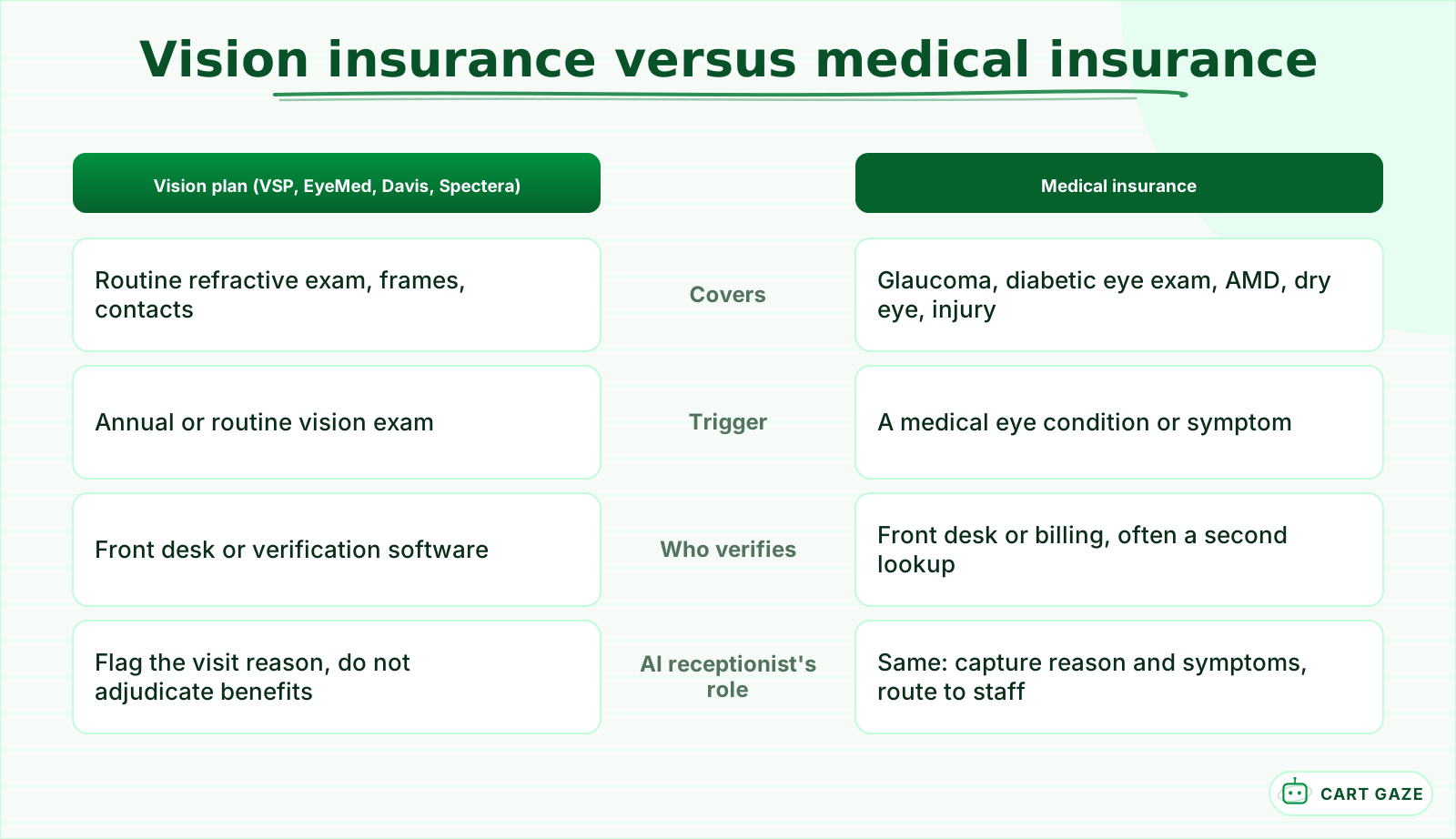 A caller cannot self-diagnose which plan applies. The safe move is to flag and route, never to adjudicate.
Those denials tend to surface about 2 weeks after the visit, long after the front desk has moved on to the next patient. Outsourced verification teams report saving a practice manager roughly 2 full days a week once someone else owns that eligibility check, which is a fair measure of how much staff time the dual system quietly consumes.
An AI receptionist has one honest job here: capture why the patient is coming in and flag which system likely applies, then hand the actual benefit check to a person or verification software. Anything that claims to auto-adjudicate vision versus medical benefits on a phone call is overselling what a receptionist, human or AI, is supposed to do.
This is not a small compliance footnote. A vision-plan visit and a medical visit can look identical from the waiting room. A patient booking what sounds like a routine eye exam might actually need a diabetic eye exam covered under their medical plan, and getting that distinction wrong at booking is exactly what causes the 2-week-later denial. The front desk, or whatever is standing in for it, needs to ask the right triage question at the time of booking, not guess.
Where an AI receptionist fits an optometry practice, and where it must not
An AI receptionist earns its place on the routine side of an optometry practice: 24/7 booking, annual-exam recall reminders, and contact lens or glasses reorder messages. It should never assess a clinical symptom. Sudden vision loss, eye trauma, or chemical exposure must reach a person immediately, not an automated script.
Contact lens and glasses reorders deserve more attention than most practices give them. They are recurring revenue, not a one-off service call, and a reminder sent before a patient runs out of contacts converts at a different rate than a cold recall message sent months after the last order.
Insurance and eligibility questions sit in the same routine category as booking, as long as the AI receptionist is capturing information and routing it rather than making a coverage determination on the spot. The moment a system tries to tell a caller definitively what their plan covers, it has stepped past receptionist work and into a decision that belongs to a person who can be held accountable for it.
If you have never evaluated one of these systems before, start with what an AI receptionist does and where it stops so you know which claims are real and which are marketing.
Measure your own recall and no-show gap before you buy
Before evaluating any vendor, spend 30 minutes on your own numbers. Pull the list of patients more than 14 months past their last exam, check last quarter's no-show rate against the 25% industry average, and count how many calls last month were reorders versus new bookings versus routine questions.
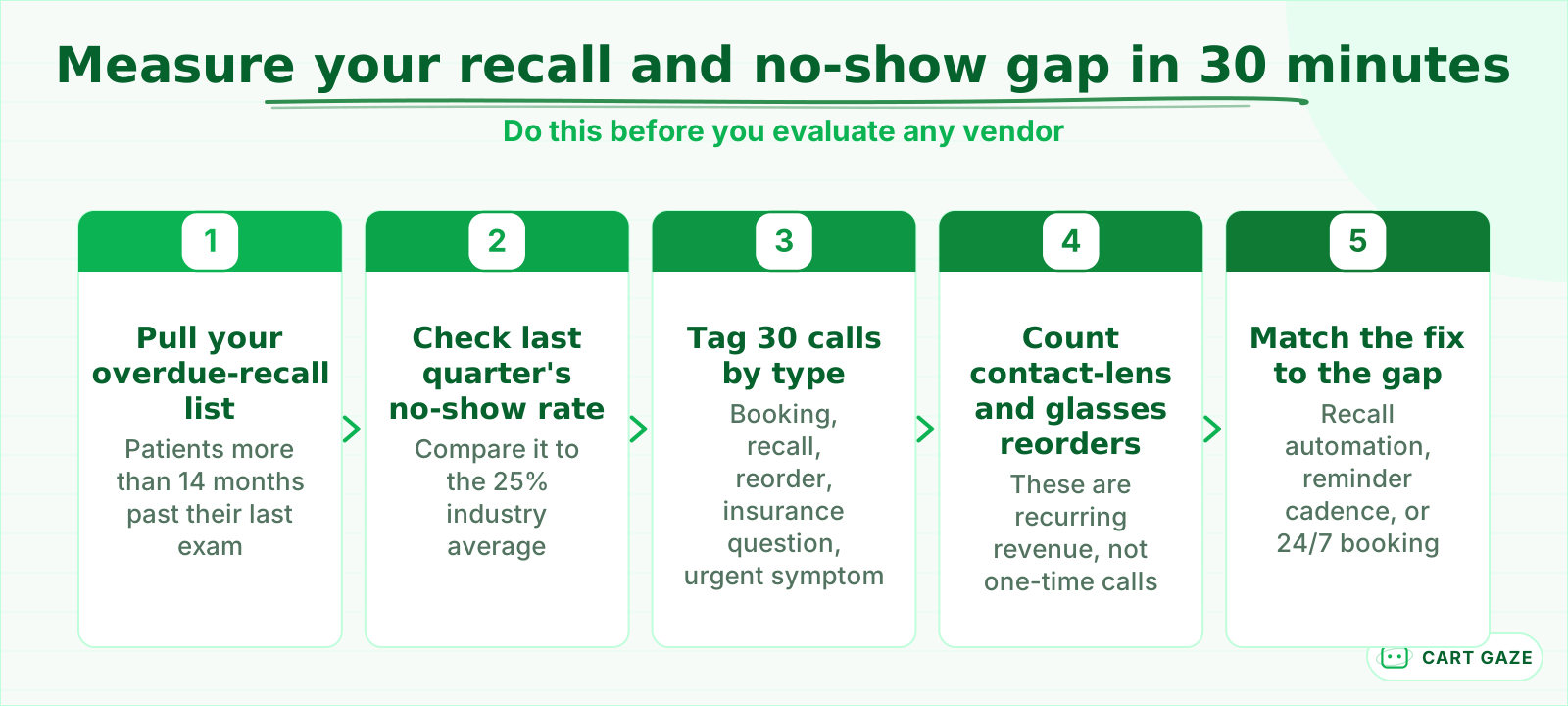 Thirty minutes against your recall list tells you which fix pays back. Skip it and you buy the wrong tool.
Contact lens and glasses reorder volume is easy to undercount because it rarely shows up as a missed call. It shows up as a patient who quietly switched to an online contact lens retailer because nobody reminded them in time. If you cannot pull that number from your practice-management software today, that gap is itself a finding.
Do this exercise even if you already have a reminder system in place. A cadence that looked adequate 2 years ago may not reflect how your patient mix, or your no-show rate, has shifted since. The 30 minutes you spend here is what tells you whether you have a reminder problem, a recall problem, or a genuine after-hours coverage gap, and each of those has a different fix.
What it costs, and what it should connect to
AI receptionists for optometry price in roughly the same flat monthly range as other medical verticals rather than a per-minute fee, and the return in eye care comes disproportionately from recaptured recall and reorder revenue, not from answered calls alone. It must integrate with your existing scheduling or practice-management software, not replace it.
For the full setup and monthly pricing breakdown, see what an AI receptionist costs. Compare that number to what you already spend on manual recall calling: a staff member spending even 5 hours a week on recall and reorder follow-up, at a fully loaded hourly cost, often exceeds the flat monthly fee before you count a single recaptured booking.
Before you sign anything, ask exactly how the system reads and writes to your practice-management software, whether that is RevolutionEHR, Eyefinity, Compulink, or another platform. A receptionist that cannot see today's real schedule will double-book or misreport availability, which erases any time it was supposed to save you.
If you are weighing automation against simply hiring another front-desk person to own recall and reorders, the staffing math is worth running honestly side by side (salary, turnover risk, and coverage gaps included) before you decide either way. The full breakdown is in AI receptionist versus hiring front-desk staff.
Match the fix to your own numbers
The right fix depends on your own recall rate and no-show percentage, not a vendor's case study. A large overdue-recall list with steady reorder volume pays back 24/7 automation quickly. A small list with a low no-show rate may only need a better reminder cadence, not a new system.
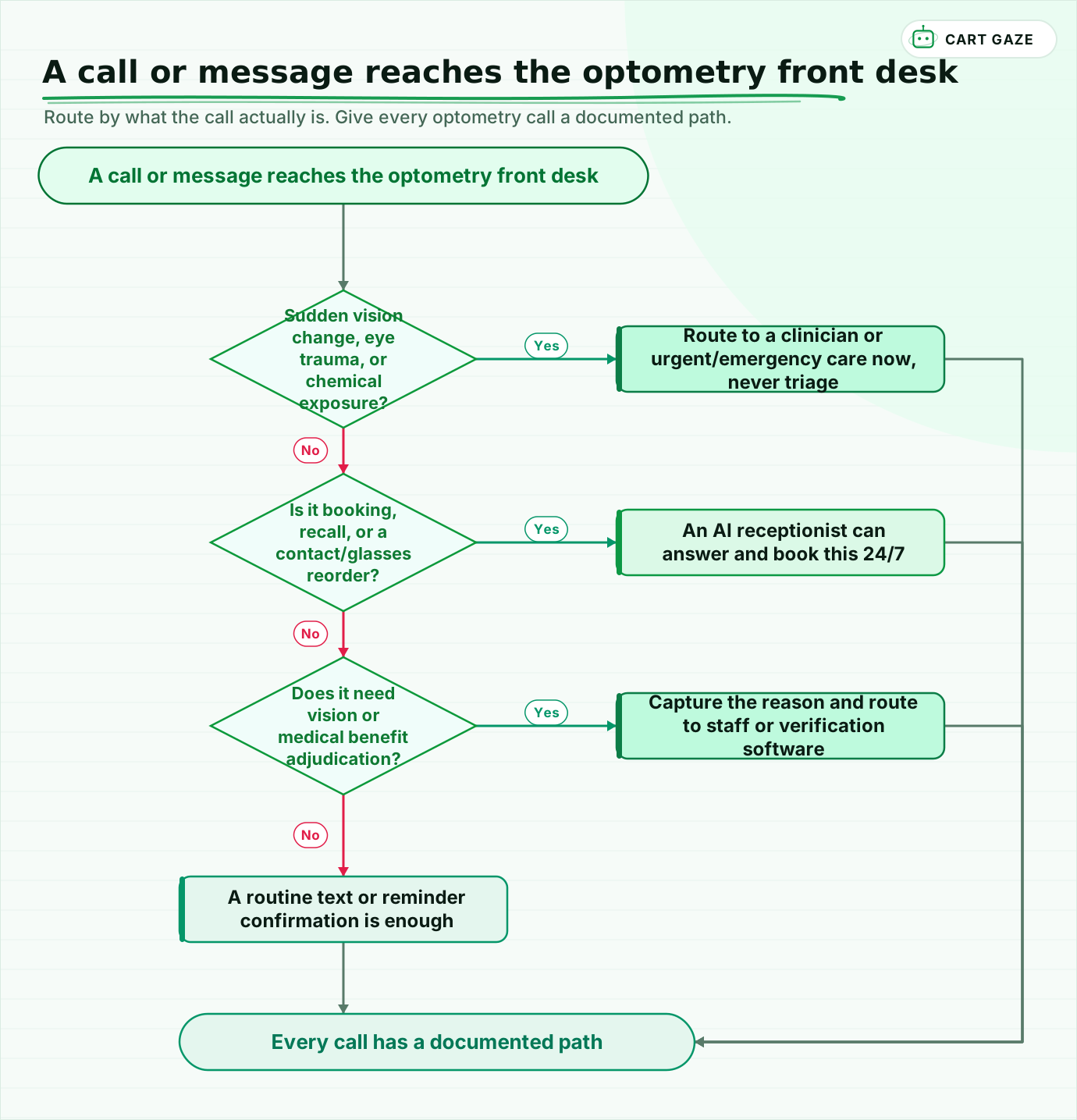 Route by what the call actually is. Give every optometry call a documented path.
Walk the flow once: an eye emergency goes to a clinician immediately, every time. A booking, recall, or reorder call can go to an AI receptionist that handles it around the clock. A call that turns on insurance benefits gets captured and routed, not adjudicated on the spot. Everything else is a routine confirmation.
Pilot on your most overdue recall quartile first, read the first month of messages and transcripts, and re-measure booked recall visits against your own numbers 30 to 60 days later. None of this requires ripping out what you already use. The practices that get the most from automating recall are usually the ones that already had a recall process, just a manual or partial one, and simply removed the labor from something that was already working.
If you would rather have the recall and no-show gap sized for you first, the free Growth Leak Audit works from your own practice numbers before anyone talks tools.
Fair questions.
What is a normal no-show rate for an optometry practice?
Optometry averages about a 25% no-show rate, with one study of an academic eye clinic finding 24.8%, compared to 15% to 30% across healthcare generally. A rate of 5% to 6% is considered low. If your practice sits near 25%, that is the industry average, not an outlier, and the fix is a systemic reminder and recall cadence, not a one-time scheduling adjustment.
Can an AI receptionist handle vision insurance versus medical insurance questions?
It can capture why a patient is coming in and flag which system, a vision plan like VSP or EyeMed, or medical insurance, likely applies, then route the actual benefit check to staff or verification software. It should never adjudicate coverage on the call itself. Most eye care claim denials are eligibility mistakes that surface about 2 weeks later, which is exactly what careful intake at booking helps prevent.
What should an AI receptionist never do in an optometry practice?
It should never assess a clinical symptom. Sudden vision loss, eye trauma, chemical exposure, or sudden flashes and floaters are ophthalmic emergencies that must reach a clinician or urgent or emergency care immediately. A safely configured system recognizes those keywords and routes the call; it does not try to judge how serious the symptom is.
How much of an AI receptionist's value in optometry comes from recall versus call answering?
Disproportionately from recall and reorder recapture. Practices with strong recall (85-87%) report about $630 in average revenue per patient, versus $210 at practices with weak recall (roughly 62% industry average), a 3x gap. Call answering matters, but the recurring recall and contact lens or glasses reorder cadence is what actually compounds revenue over a year.
Does an AI receptionist replace practice-management or EHR scheduling software?
No. It should integrate with whatever you already run, such as RevolutionEHR, Eyefinity, or Compulink, not replace it. Before signing anything, confirm exactly how the system reads and writes to your real schedule. A receptionist that cannot see current availability will double-book or misreport open slots, which erases any time it was supposed to save.
Sources.
- [1]Patient no-show statistics (optometry no-show rate, cost per no-show)
- [2]How to reduce no-shows at your optometry practice
- [3]Optometry patient recall automation (national recall rate)
- [4]6 actions to maintain a 75-80% patient return rate
- [5]Recall rate in healthcare (industry average, ARPP comparison, multi-channel response)
- [6]Missed call statistics 2026
- [7]Missed calls in optometry: an invisible pressure on patient experience
- [8]The hidden cost of missed calls in ophthalmology practices
- [9]Where optometry practices lose margin before the P&L shows it
- [10]Vision and medical insurance verification for eye care
- [11]AI receptionist for eye doctor office
Written by

Muhammad Qasim Hammad
Founder, Cart Gaze
Qasim builds AI receptionists and front-office automation for medical and dental practices at Cart Gaze. Posts here start from published sources and real call data, not vendor claims, and every number links back to where it came from.
Keep reading.
 By Practice TypeAI Receptionist for Home Health: The 48-Hour Referral Clock10 min read
 By Practice TypeAI Receptionist for Fertility Clinics: What It Must Never Do10 min read
 By Practice TypeAI Receptionist for Oral Surgery: Referrals In, Post-Op Calls Out10 min read
 By Practice TypeAI Receptionist for Audiology Practices: Why Text Comes First11 min read
 By Practice TypeAI Receptionist for Podiatry: What to Automate, What to Escalate11 min read
 By Practice TypeAI Receptionist for Veterinary Clinics: An Honest 2026 Guide10 min read